

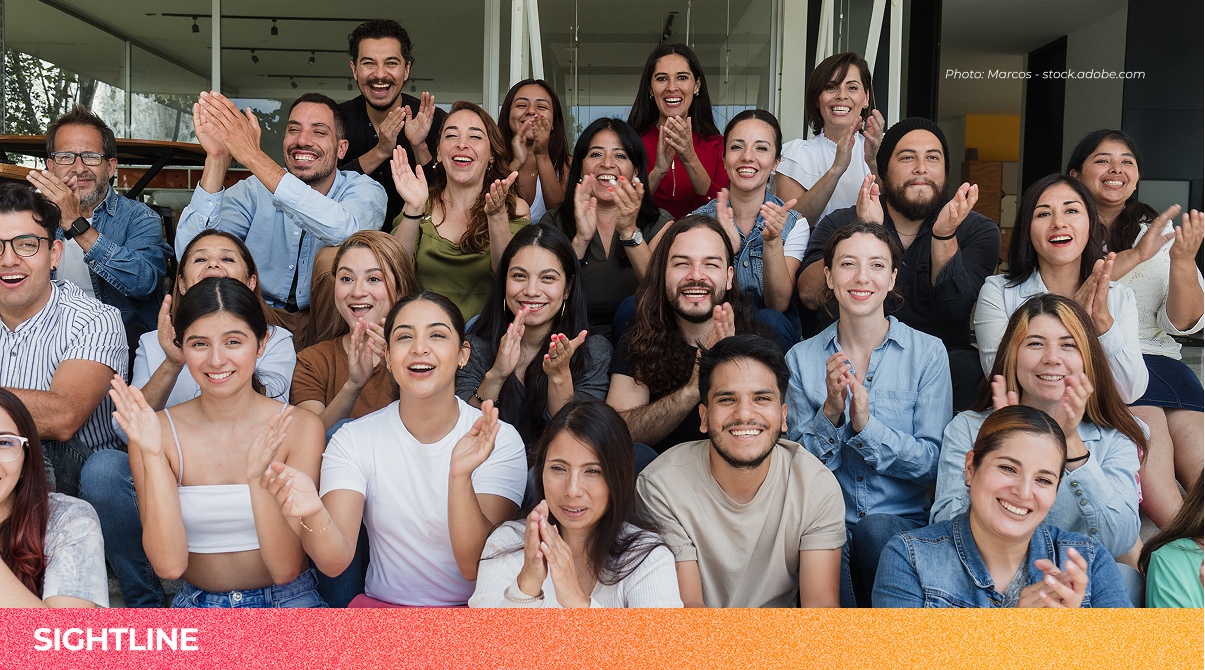
In many organizations, internal corporate events are often treated as logistical exercises, occasions to gather employees for updates, celebrate milestones, or host team-building activities. While these gatherings undoubtedly foster camaraderie, too often they are executed in isolation from the broader strategy of the organization. The result? Pleasant experiences that fade quickly, and leave little lasting impact for the attendees or for the organization.
Luckily, when approached strategically, internal events become more than gatherings; they transform into incredibly powerful brand moments. They can reinforce culture, strengthen employee alignment, and turn employees into engaged brand advocates for the organization’s mission.
Why Internal Events Matter
Internal events offer a unique opportunity to bring a company’s values and vision to life. Unlike external campaigns, often crafted for customers or investors, these moments speak directly to the employees. And who better to align with your brand vision than the people who live and deliver that brand every day?
When designed with intention, events have the power to reinforce the culture and values that differentiate the organization. They create trust and transparency between leadership and employees- imperative, especially in times of difficulty or transition.
Intentional events also provide motivation and inspiration, translating into higher engagement, productivity and retention.
Delivering memorable experiences can also deepen employees’ emotional connection to the brand, creating brand evangelists where it matters most.
The Risk of “Event for Event’s Sake”
Without a clear link to strategy, events risk becoming expensive exercises in logistics. Employees may leave entertained but uninspired, or worse, even confused about the company’s direction. Misaligned events can also dilute the brand, sending mixed signals about what the organization stands for. In an era where culture is as critical to competitive advantage as product or service quality, this is a risk few companies can afford. As an event professional, aligning strategy to experiential turns corporate events from a cost center to a strategic lever for you and the executives at your company to add to their tool belt.
Embedding Strategy into Events
The solution lies in aligning internal events with brand strategy. This requires more than branded décor or corporate jargon woven into speeches. Instead, organizations should begin with the “why”: What is the purpose of the event, and how does it connect to the company’s strategic priorities?
From there, every element of the event can reinforce the brand:
Messaging: Keynotes and presentations that clearly tie to vision, mission, and values. Creating opportunities to tie back to the primary take away through signage, event taglines, and even motion graphics on screen can all point attendees to the takeaway, or sentiment you hope they’ll leave the event with.
Experience Design: The tone, look, and feel should compliment the organization’s identity and the way you want employees to feel about the brand. Event branding should be a cousin, not a twin, for internal events. Your attendees live within the brand, so find ways to celebrate it in a unique way they haven’t seen before.
Content: Showcasing achievements and initiatives that highlight the company’s strategic direction and ensuring recognition for those employees embodying that direction are front and center. Incorporate recognition in to keynotes, digital signage, name badges that can differentiate those that have reached new heights in the organization. If your top performers leave an event feeling appreciated, you’ve had success.
Engagement: Interactive elements that empower employees to live the values in practice and enjoy the brand in a new or interesting way. If you have a video to show and hope to keep attendees engaged, create a branded movie theater complete with branded tickets, and popcorn. These small takeaways can reinforce the message and serve as a constant reminder long after the event is over.
Measurement: Post-event surveys or analytics that capture sentiment, alignment, and actionable insights. This also becomes critical when building a future event landscape and continuing to garner investment from the organization.
Sadly, event professionals often struggle to get access to company executives. It’s imperative for a company hoping to align strategy and vision to the brand experiences to also allow their event leaders access to executive teams and company leadership. The best events I have been able to produce in my career have been the direct result of an alignment at the top, an understanding of the company mission, vision and future direction and the trust of the C-suite to take that vision and incorporate it in the events portfolio.
A significant understanding of the company vision is imperative, but so too is a strong grasp on what’s plaguing an organization. Through my career I had the opportunity to oversee events in addition to other parts of the business, one of which being the uniform business. Because of that aspect of my role, I was aware of the challenge the brand had with compliance of wearing non-slip shoes. In food service, this can be costly to the company due to injuries. I saw this as an opportunity to augment the often mundane gift bag for the company event with a pair of custom non-slip shoes that would allow every attendee of the conference to not only have compliant shoes when returning to work, but also evangelists for these shoes when they returned to their restaurants. Eventizing the distribution through a custom built shoe store at the conference made the experience exciting and visually interesting to attendees as well.
The opportunities to tie events back to the brand direction are endless. A technology company committed to innovation might align its internal events with that theme by incorporating hackathons where employees showcase new ideas. A sustainability-driven brand could embed eco-conscious practices into every aspect of an annual meeting, from catering to stage design, reinforcing its environmental commitments. A company focused on inclusion and belonging might prioritize accessibility and diverse representation throughout its programming.
In each case, the event becomes more than a gathering, it becomes a lived expression of the brand.
Building a Long-Term Event Strategy
True impact comes from consistency. Organizations should view internal events not as isolated touch-points, but as part of a long-term narrative. By mapping an annual calendar of events against business priorities, leadership can ensure that each gathering contributes to a cohesive story. What we know, specifically in large scale productions, is a one year round map is simply not enough. Taking a look at the next 5-10 years for larger organizations is the most effective way to drive the business forward through experience. Industry relationships and education also become imperative when executive multi million dollar programs, and few things create valued partnership like collaborative planning amongst vendors, venues and your brand.
A long-term, proactive strategy can also help to pulse employee sentiment and engagement. Taking a look at when your organization tends to see dips in engagement allows you to use save the dates, or event invitations for the right time to bolster culture and keep employees engaged. For an employee on the fence about considering a new opportunity, an exciting event program, or company incentive may keep them from leaving, and the cost savings of employee retention can be quite enticing to an organization.
Conclusion
Internal corporate events are too important to leave untethered from strategy. When aligned with brand and business priorities, they evolve from cost centers into strategic assets. They become opportunities to inspire, align, and mobilize employees—ensuring that the brand is not just spoken about, but lived, every day.
Enjoyed this article? Subscribe to SIGHTLINE for more.
Get member-only content, our monthly newsletter, and full quarterly publications created for marketers who shape brand experiences.

Comments