

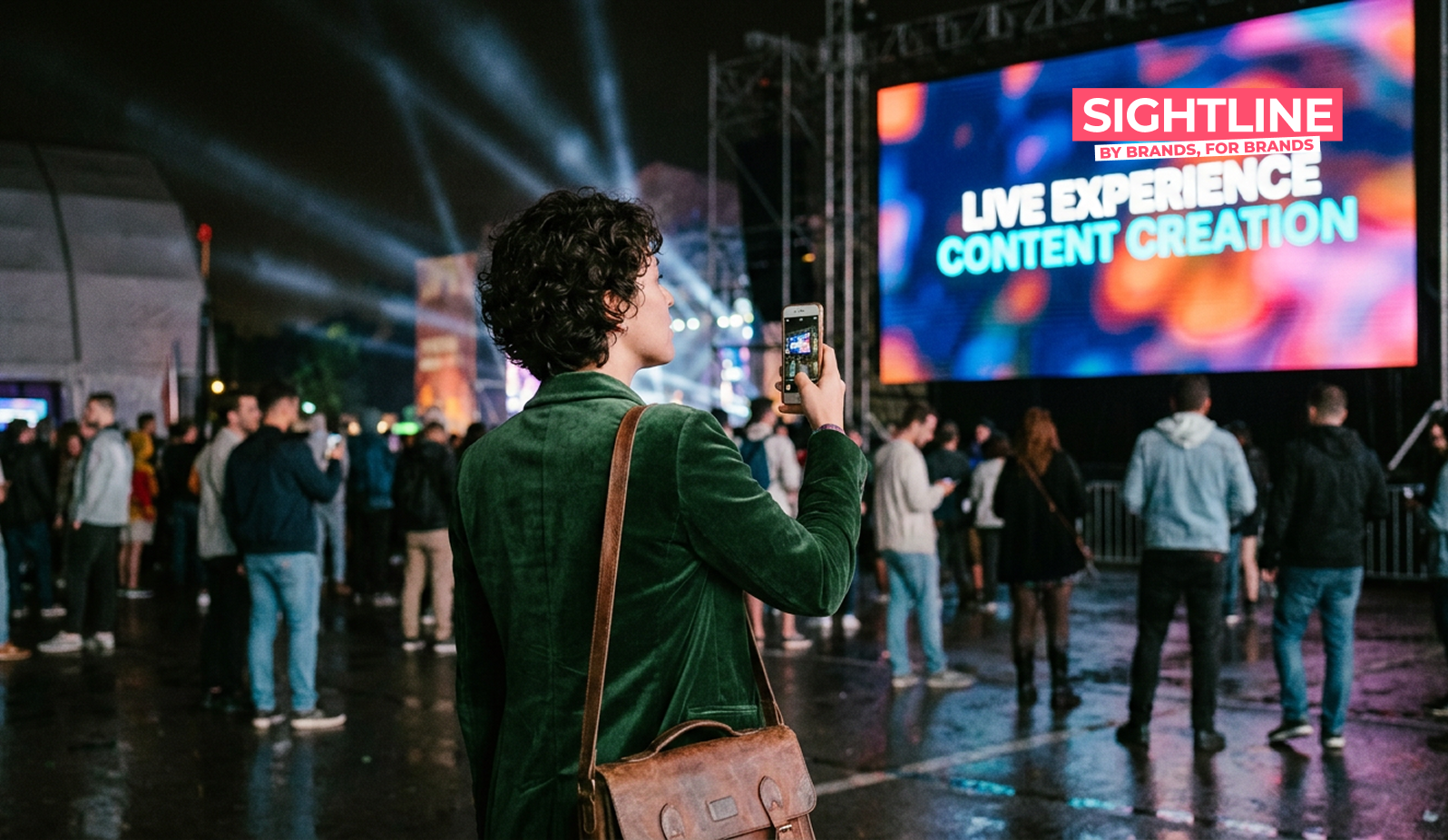
Media organizations know where it all starts: the story. Some of the best experiential marketers are starting to realize that every event is the beginning of content that keeps creating value long after attendees leave.
A simple conversation with a single customer can find new life as a blog post, podcast episode, or video, turning a single event moment into something with much greater reach.
As the SIGHTLINE team uncovered through conversations with Liz Urheim, Chief Marketing Officer at Verifone, and Courtney Engel, VP Strategy & Development at Magnet Media, the strongest event strategies begin before the event starts, continue throughout the event, and create value long after it ends. Content is part of the event strategy from day one.
What Does It Mean to Think Like a Media Company?
Considering yourself a media company requires asking one simple question: what do you want people to remember after your event?
Your answer influences every decision you make, from the speakers you choose to the customers you highlight, the stories you capture, and the conversations you want to continue after the event.
How Do You Build a Pre-Event Content Strategy?
Every media company follows an editorial calendar.
Great media companies understand that content is not about individual pieces. Articles, videos, interviews, and podcasts all work together to create an ecosystem of stories that builds trust over time.
Experiential marketers can apply the same approach. Before the event begins, define your message, determine who will deliver it, and decide how each piece of content will contribute to the larger story. Executive interviews, customer conversations, thought leadership, and social content should all connect.
As our SIGHTLINE team explored during the conversation, leading brands prepare for storytelling before opening day. Executive voices, thought leadership, and short-form content introduce the ideas the brand wants to own before attendees even arrive.
What Does a Smart Capture Plan Look Like During the Event?
Arriving with a content strategy makes the entire event process much easier. You already know who you want to interview, which conversations matter most, and how every interview will become content after the event.
Another takeaway from SIGHTLINE's discussion was that the strongest teams arrive with a storytelling plan. They know who they want to feature, which conversations they need to have, and how every piece of content fits into a larger strategy that was built before the event.
A simple capture plan might include:
- Interviews with executives about the company's view of industry trends.
- Interviews with customers sharing success stories.
- Behind-the-scenes content that gives audiences a look beyond the stage.
- Keynote highlights repurposed into LinkedIn posts and short-form videos.
- Photos and video clips for future social media and marketing campaigns.
- Feedback from attendees.
With a strategy in place, every interview, keynote, or conversation becomes another opportunity to create valuable content.
How Do You Extend the Life of Event Content?
The conversation doesn't have to end when the event does.
One discussion can become many different pieces of content. A podcast conversation can become a LinkedIn article, a memorable quote can become a short video, and one customer story can evolve into a blog post, newsletter feature, or sales asset.
Repurposing content allows the same ideas to reach new audiences across different platforms while adapting the format to fit how people consume content.
As our SIGHTLINE team discussed with Liz Urheim and Courtney Engel, this is where much of an event's long-term value is created.
Final Thoughts
Every experience is an opportunity to create lasting content. The ideas, conversations, and relationships built over just a few days can continue reaching audiences for months through thoughtful content.
The next time you plan an event, start with the story you want to tell. Build your content strategy before the event begins, capture meaningful moments throughout the experience, and continue sharing those insights long after the event ends.
One interview can become a LinkedIn post, a podcast episode, a newsletter article, a short video, and even a sales resource. Thinking about those opportunities from the beginning allows every event to deliver far more value.
The best experiential marketing teams think like media companies. As our SIGHTLINE team's conversation with Liz Urheim and Courtney Engel reinforced, every event is an opportunity to create content that extends the impact of the experience well beyond the people who attended.
Enjoyed this article? Sign up to the SIGHTLINE newsletter.
Every week, essential insights on experiential and live brand marketing. Delivered straight to your inbox.

Comments