

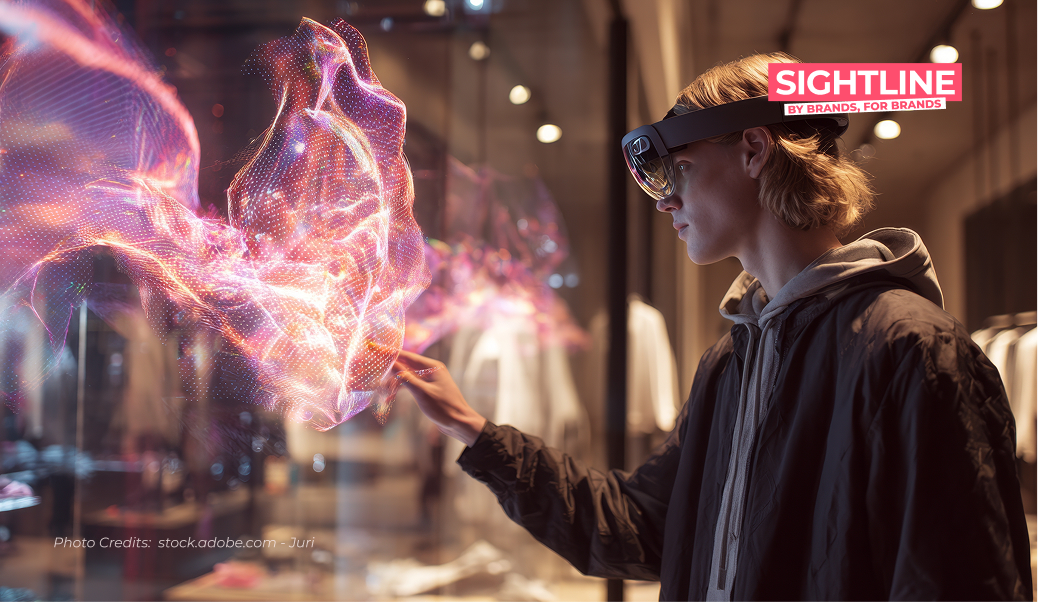
Experiential marketing no longer ends when the event does. The strongest activations live in two places at once: in the physical world, where people feel them, and in digital spaces, where people share them, extend them, and keep them moving.
For brand marketers, that shift is changing the brief. A live experience still needs to create emotion in the room, and it also needs to travel. It should give attendees something worth capturing and give the brand content, reach, and proof of engagement long after the setup comes down.
The result is a smarter model for experiential marketing. Physical and digital work better together.
Physical Creates the Feeling
Live experiences create presence in a way digital media simply cannot replicate.
When people step into an environment, interact with a product, or take part in a branded moment, the experience feels real. That matters because memory is built through emotion. A striking installation, an immersive demo, or a participatory moment gives a brand the chance to create real connection.
That in-person impact is the foundation of any strong phygital strategy. The live moment has to land first.
Digital Extends the Impact
Physical experiences are powerful, and digital layers are what give them staying power beyond the room.
When an activation is designed to be photographed, filmed, and shared, it reaches far beyond the people who were there. A bold visual setup, a personalized moment, or an interactive reveal can turn a live event into a stream of social content, earned media, and brand-owned assets.
This is where phygital design becomes strategic. The event is a moment and a content engine. It produces audience posts, creator coverage, internal assets, and material for paid and organic distribution.
That gives marketers more return from a single investment.
Build Shareability In from the Start
Too many brands treat social amplification as an afterthought, building the activation first and asking how to make it work online after the fact.
The stronger approach is to plan for both from day one. Marketers should ask:
What will people want to capture? Strong scale, visual contrast, personalization, and surprise all help.
What will make the brand visible in the content? The brand should feel naturally present.
What business goal should sharing support? Reach, advocacy, traffic, and conversion each require different choices.
When these questions shape the concept early, the experience feels more natural on-site and performs better online.
Takeaways for Brand Marketers
Build physical experiences that create emotion first. Design digital layers that help the moment travel. Treat every activation as both a live event and a content engine. Plan shareability in the brief, before production starts. Tie amplification to a clear business goal, not just social volume.
The best phygital experiences do more than attract a crowd. They create a moment people want to step into, post about, and remember.
Enjoyed this article? Sign up to the SIGHTLINE newsletter.
Every week, essential insights on experiential and live brand marketing. Delivered straight to your inbox.

Comments